
Nero’s Search for Immortality
Quo VadisThis subplot traces Nero’s pursuit of artistic and divine immortality through performance, spectacle, and catastrophic self-dramatization.
increasing Bearing strength in each event
 decreasing
Bearing strength in each eventdecreasingPraise as Immortality
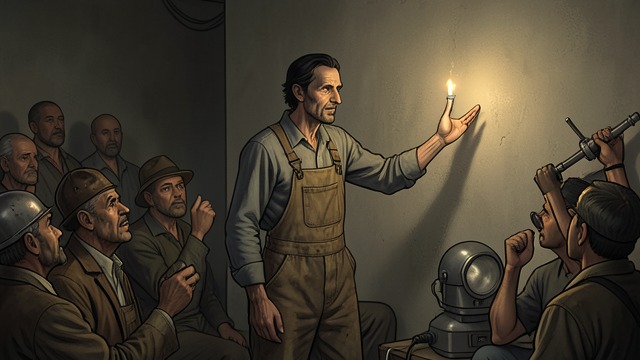
Praise as Immortality
The emperor wants remembrance
Nero seeks praise for his verses and imagines that future generations will remember him as a supreme artist.
Flattery feeds delusion
Petronius’s careful judgments help the emperor confuse artistic approval with proof of greatness.
A City for His Poem
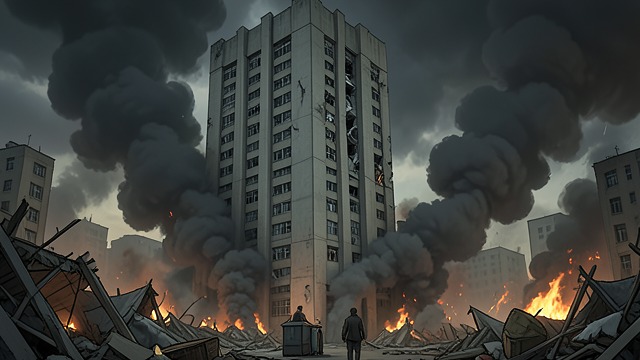
A City for His Poem
Destruction becomes a model
Nero sees the burning of Rome as a spectacle worthy of his poem about Troy.
Immortality pursued through ruin
He values the artistic image of catastrophe above the city and its inhabitants.
The Gardens as Theatre
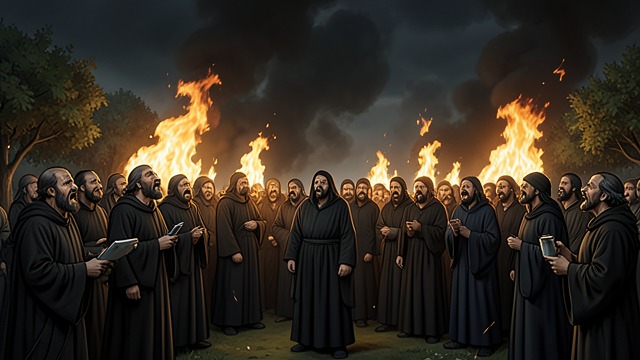
The Gardens as Theatre
Victims arranged as scenery
Nero turns Christians into burning figures across his gardens, combining executions with a staged evening spectacle.
Art becomes moral failure
The grandeur of the display cannot hide that its materials are living people.
A Song over the Arena
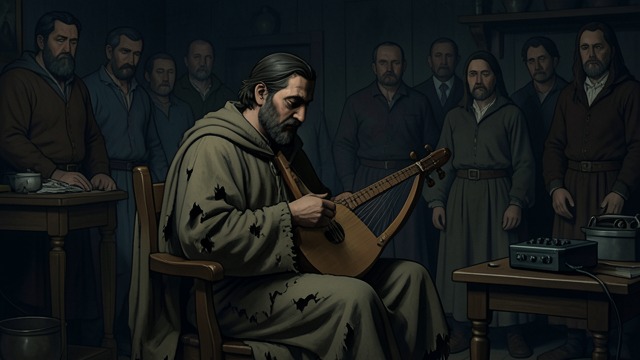
A Song over the Arena
The emperor performs grief
Nero sings of Troy after the deaths of Christians, presenting himself as an artist moved by tragedy.
Spectators hear dissonance
The performance follows real suffering so closely that some spectators become uneasy rather than persuaded.
Immortality Collapses
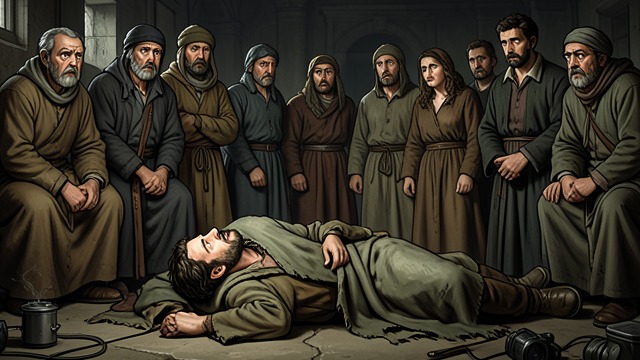
Immortality Collapses
Reputation cannot protect him
Rebellion and abandonment make Nero face death despite his years of self-presentation as a god and artist.
The last role persists
Even at his suicide, he frames himself as a great artist dying, showing that performance has replaced self-knowledge.
At Nero’s early literary gatherings
During the Great Fire
During the execution of Christians by fire
After the arena’s first wave of executions
During Nero’s final flight
